 EA4FSI
This page brings together the HF antenna resources available on the EA4FSI website. Here you will mainly find analyses of antennas commonly used for emergency communications in the HF band, carried out using MMANA-GAL, HFAnt and 4NEC2. There is also information on some home-built antennas and field tests. Please note that all the material is experimental and may contain errors.
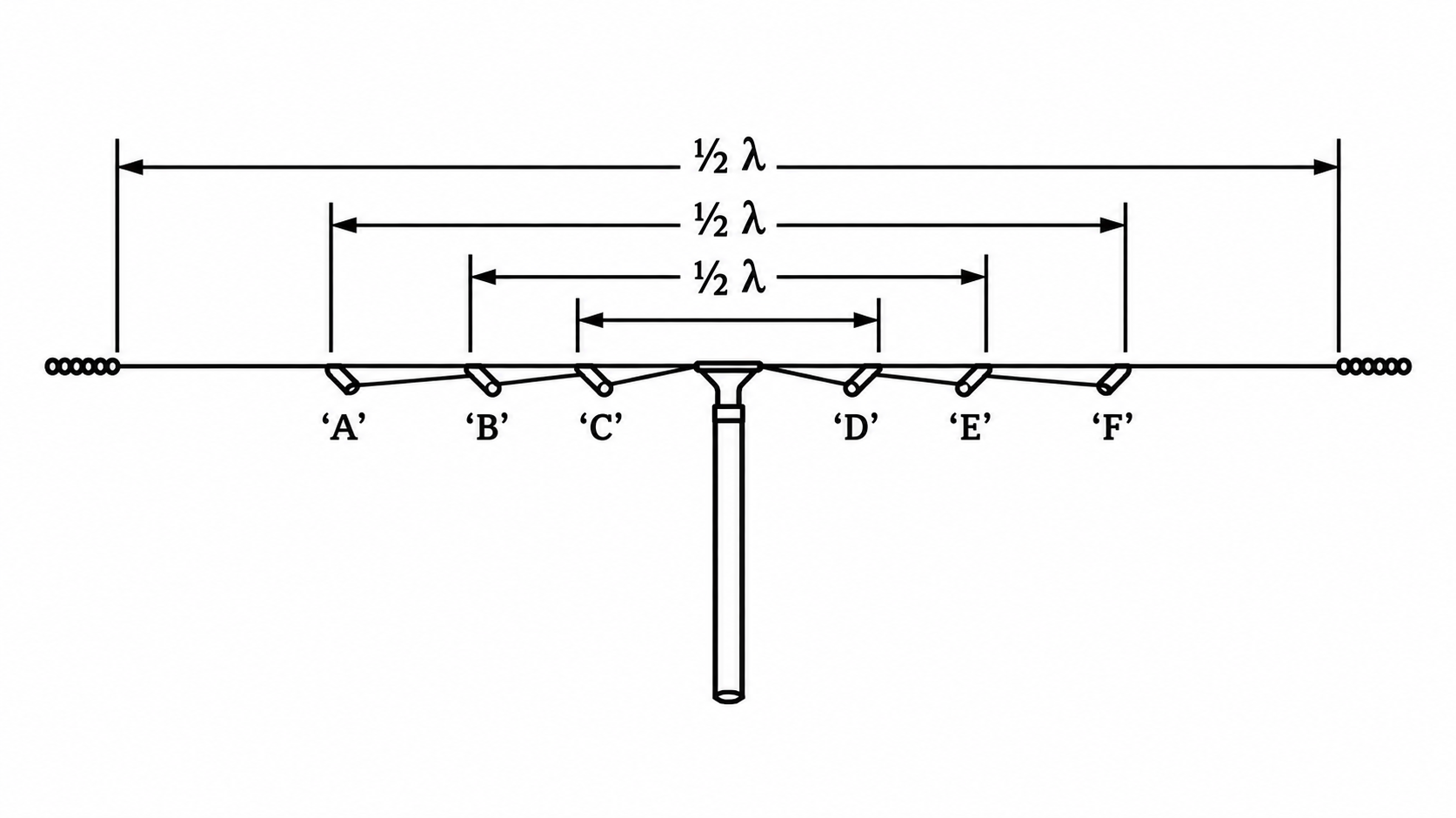
Multi-Band HF Fan Dipole
This article describes and simulates, using MMANA-GAL, a multiple dipole, or fan dipole, antenna. A design for the 10, 20, 40 and 80 metre bands is considered. The simulation focuses on determining the antenna impedance and radiation patterns on the different design bands.
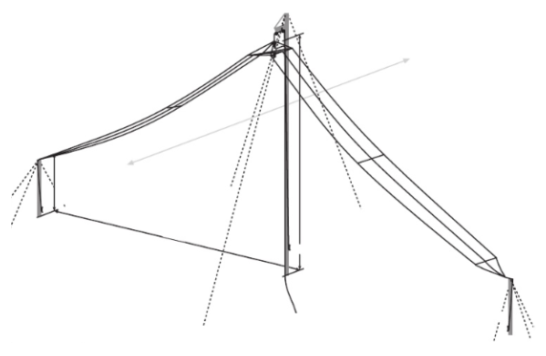
Codan C463 multiwire broadband dipole
This article describes and simulates, using MMANA-GAL, the commercial Codan C463 multiwire broadband dipole antenna. The analysis focuses exclusively on the antenna radiation patterns.
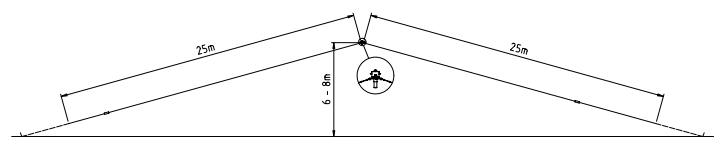
Comrod AH-52 Broadband HF/VHF Dipole
This article describes and simulates, using MMANA-GAL, the commercial Comrod AH-52 HF/VHF broadband dipole antenna. The analysis focuses exclusively on the antenna radiation patterns.
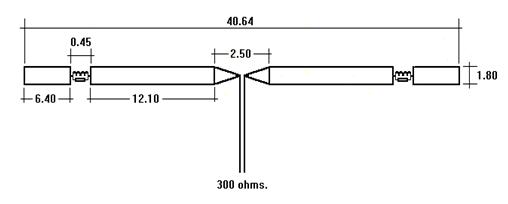
Two Wire Broadband HF Dipole
This article describes the design and simulation, using 4Nec2, of a two-wire broadband dipole capable of operating across the entire 3–30 MHz band. The simulations are intended to determine the SWR and radiation patterns across the antenna operating band.

Horizontal Dipole
This article describes the characteristics of a horizontal dipole and analyses the results of several simulations performed with MMANA-GAL on dipole models designed for the 20 m, 40 m and 80 m bands. The simulations are intended to study the recommended dipole installation heights for operation in the NVIS (Near Vertical Incidence Skywave) propagation mode.
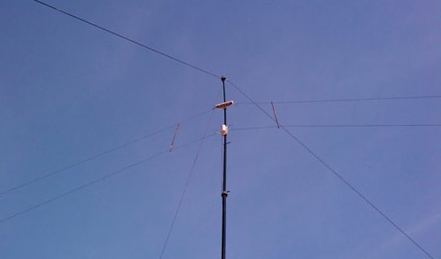
Invelco AT-110 folded dipole antenna
Simulations of the commercial Invelco AT-110 broadband antenna. It is a resistively loaded folded dipole capable of operating from 1.5 MHz to 30 MHz at power levels of 150 W or 1.5 kW, depending on the version. Its inverted-V configuration makes it suitable for NVIS operation at low frequencies and DX operation at high frequencies.

Marconi antenna
This article describes the characteristics of the Marconi antenna and analyses the results of several simulations performed with MMANA-GAL on models optimized for the 20 m, 40 m and 80 m bands. The simulations are intended to determine the antenna behaviour both on its fundamental design band and on harmonic bands, in terms of impedance and radiation patterns.
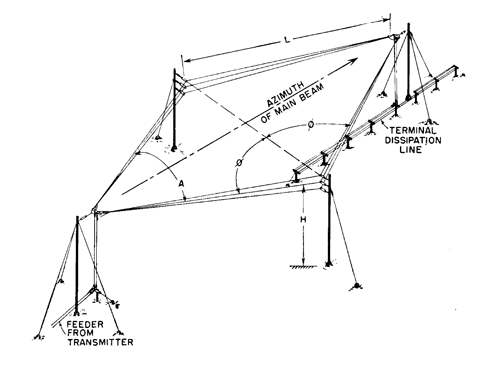
Rhombic antennas
This article describes and simulates, using 4Nec2, two types of rhombic antenna: the simple bidirectional rhombic and the unidirectional rhombic terminated with a resistive load. These antennas offer relatively high gain for their simplicity, with the main disadvantage being significant sidelobes in the radiation pattern. The effects of varying parameters such as antenna size, the angle between its sides, the load resistance used in the unidirectional version, and installation height are analysed.
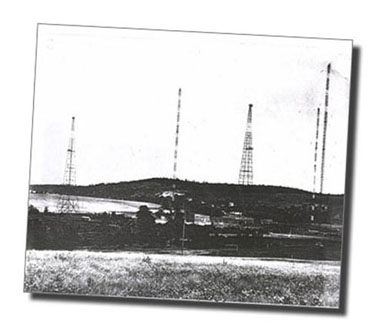
Ground-Plane Monopoles
This article analyses different monopole configurations, the differences between perfect and imperfect ground, and the effect of using a radial ground plane or a counterpoise. The analyses are based on simulations performed with 4NEC2 and are carried out by introducing new elements in successive approximations.

Sloping Vee 470
This article describes and simulates, using MMANA-GAL, a Sloping Vee antenna with 470-ohm resistive loads. The analysis focuses exclusively on the antenna input impedance and radiation patterns.
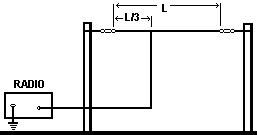
Windom
This article describes the characteristics of the Windom antenna and analyses the results of several simulations performed with MMANA-GAL on models optimized for the 20 m, 40 m and 80 m bands. The simulations are intended to determine the antenna behaviour both on its fundamental design band and on harmonic bands, in terms of impedance and radiation patterns.
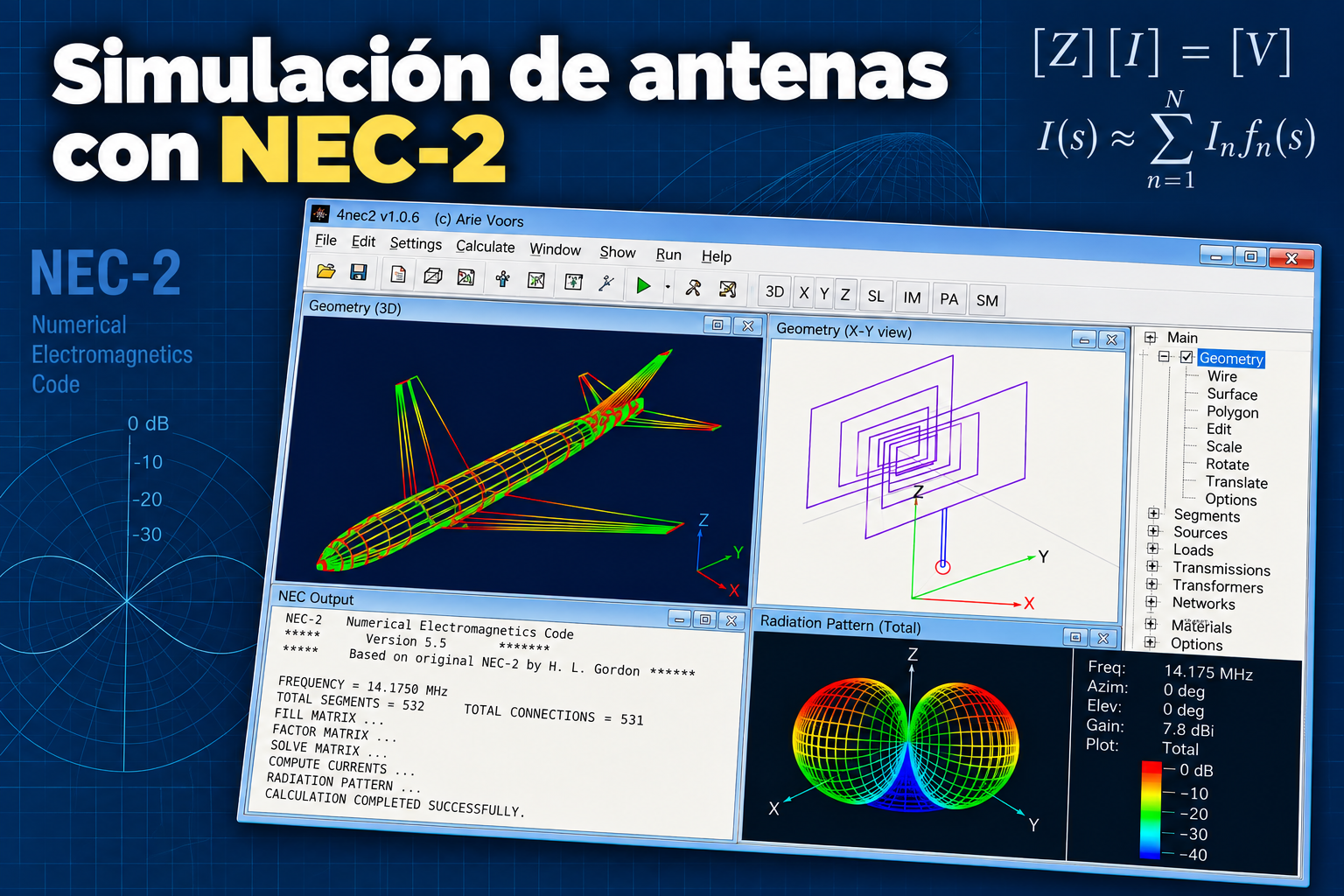
Notes on Antenna Simulation using NEC-2
Notes and recommendations about antenna simulations using software based on the NEC-2 algorithm, developed by the Lawrence Livermore National Laboratory. The recommendations and rules of design have been compiled both from the manuals of some programs and from technical articles about antenna simulation. Article published in the Spanish Amateur Radio Union Magazine (URE). December 2012.